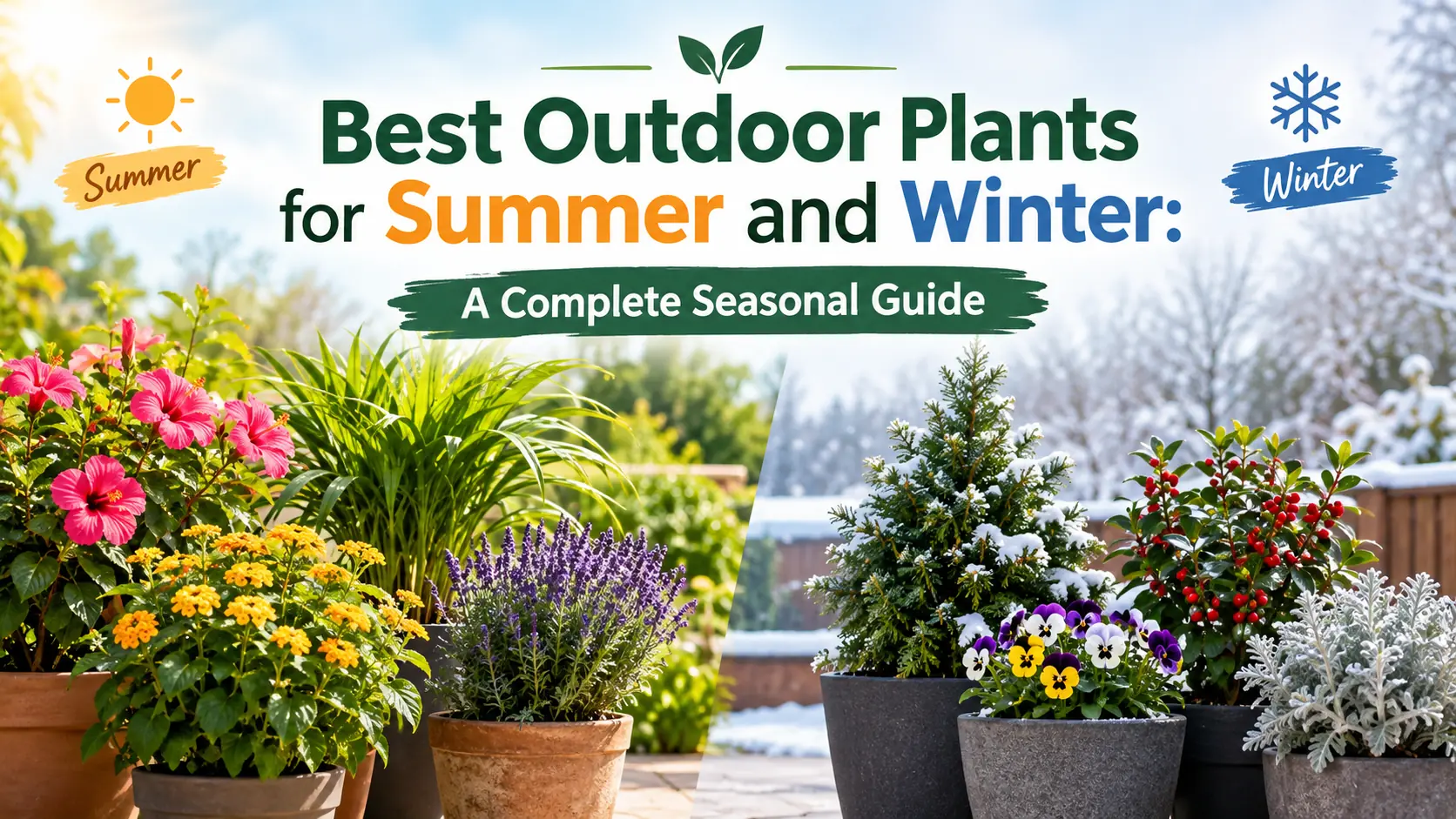
Finding the best outdoor plants for summer and winter can make all the difference between a garden that struggles with each changing season and one that thrives year-round. Different plants have different tolerance levels for heat, cold, sunlight, and moisture — which means what flourishes in July might wither by December if you’re not planning ahead. By choosing the right mix of heat-tolerant summer varieties and cold-hardy winter plants, you can maintain a vibrant, low-maintenance garden no matter what the forecast brings. This guide breaks down exactly which plants work best for each season, so you can plan your garden with confidence rather than guesswork. Choosing the right outdoor plants for both summer and winter can transform your garden into a year round showcase of color and life. Whether you are a beginner gardener or someone looking to refresh your outdoor space, this guide covers the best plants that thrive across seasons, how to care for them, and simple tips to keep your garden healthy no matter the weather.
Why Seasonal Plant Selection Matters
Every plant has a natural tolerance for heat, cold, sunlight, and moisture. Picking plants suited to your climate reduces maintenance, saves water, and keeps your garden looking vibrant instead of struggling. A garden built around seasonal awareness also supports pollinators, improves soil health, and creates a more sustainable outdoor environment.
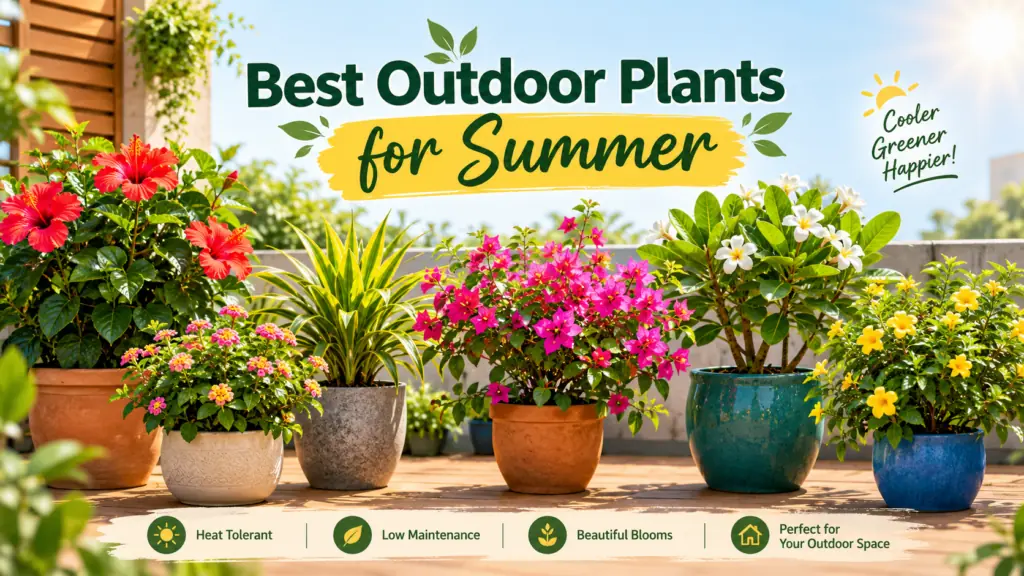
Best Outdoor Plants for Summer
Summer plants need to handle heat, direct sun, and occasional drought. Here are some reliable choices:
1. Marigolds
Marigolds are hardy, colorful, and bloom continuously through hot months. They also repel certain garden pests naturally, making them a favorite for organic gardeners.
2. Zinnias
Zinnias love full sun and produce bright, long lasting flowers. They are low maintenance and attract butterflies and bees.
3. Lavender
Lavender thrives in dry, sunny conditions and requires minimal watering once established. It also adds a calming fragrance to outdoor spaces.
4. Succulents
Succulents store water in their leaves, making them ideal for hot climates with limited rainfall. They require very little care and add a modern touch to any garden.
5. Sunflowers
Sunflowers grow quickly, love direct sunlight, and can handle high temperatures with ease. They are also great for attracting birds later in the season.
Summer Care Tips
- Water early morning or late evening to reduce evaporation
- Use mulch to retain soil moisture
- Trim dead flowers to encourage new blooms
- Choose pots with good drainage for container gardening
Best Outdoor Plants for Winter
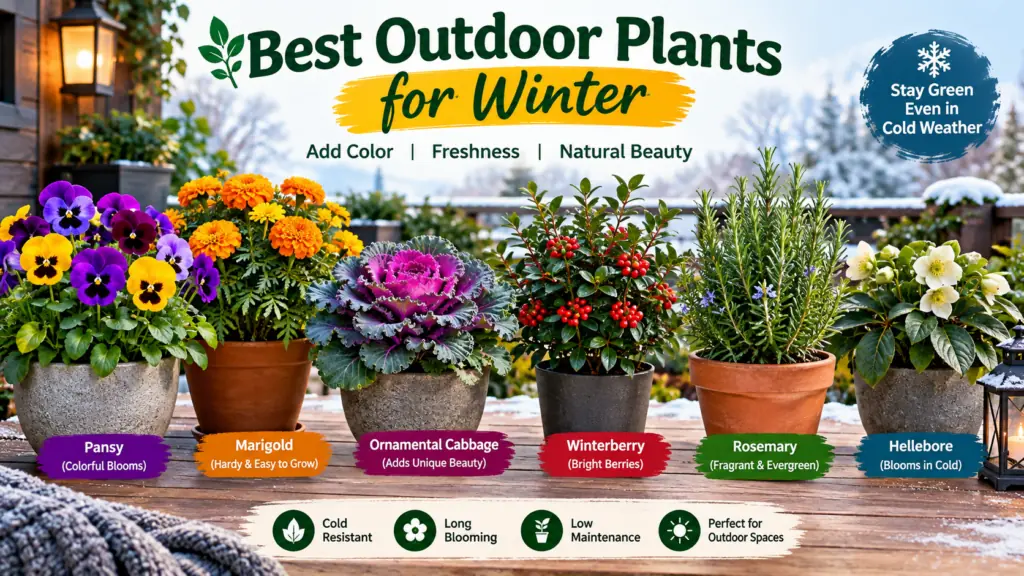
Winter plants need to withstand cold temperatures, frost, and shorter daylight hours. These options hold up well:
1. Pansies
Pansies are one of the few flowering plants that bloom in cold weather. They tolerate light frost and add color when most plants go dormant.
2. Ornamental Kale
This plant is grown for its striking foliage rather than flowers. It becomes more colorful as temperatures drop, making it a winter garden favorite.
3. Evergreen Shrubs
Boxwood, holly, and juniper stay green throughout winter and provide structure to the garden even when other plants are bare.
4. Camellias
Camellias bloom in late winter and early spring, offering elegant flowers when little else is in season.
5. Winter Jasmine
Known for its bright yellow flowers, winter jasmine blooms even in cold conditions and adds a cheerful contrast to gray winter days.
Winter Care Tips
- Reduce watering frequency since plants grow slower in cold weather
- Add a layer of mulch to protect roots from frost
- Avoid pruning during the coldest months
- Move sensitive potted plants closer to walls or indoors during extreme cold
Quick Answer: What Plants Work Best Year Round?
If you want plants that require less seasonal swapping, consider a mix of evergreen shrubs, hardy perennials like lavender, and container succulents. These options adapt well across seasons with minimal replanting.
Organic Tips for Healthier Seasonal Gardens
Using organic methods supports long term soil health and reduces chemical exposure for you, your pets, and pollinators.
- Use compost instead of synthetic fertilizer to enrich soil naturally
- Rotate plant positions seasonally to prevent soil nutrient depletion
- Introduce beneficial insects like ladybugs to control pests naturally
- Water deeply but less frequently to encourage strong root growth
Frequently Asked Questions
What are the easiest outdoor plants for beginners in summer?
Marigolds, zinnias, and succulents are excellent choices since they require little maintenance and tolerate heat well.
Can any plants survive both summer heat and winter frost?
Yes. Lavender and certain evergreen shrubs are known for handling both extreme heat and cold with proper care.
Do winter plants need less watering?
Generally yes. Cold weather slows plant growth, so soil stays moist longer and requires less frequent watering.
Is organic gardening better for seasonal plants?
Organic methods improve soil structure and plant resilience over time, helping plants adapt more naturally to seasonal changes.
Final Thoughts
Building a garden that flourishes in both summer and winter comes down to choosing the right plant varieties and adjusting your care routine with the seasons. By combining heat tolerant summer plants with frost resistant winter varieties, you can enjoy a colorful, thriving outdoor space all year long. Adding organic care practices further supports long term plant health, soil quality, and environmental sustainability.