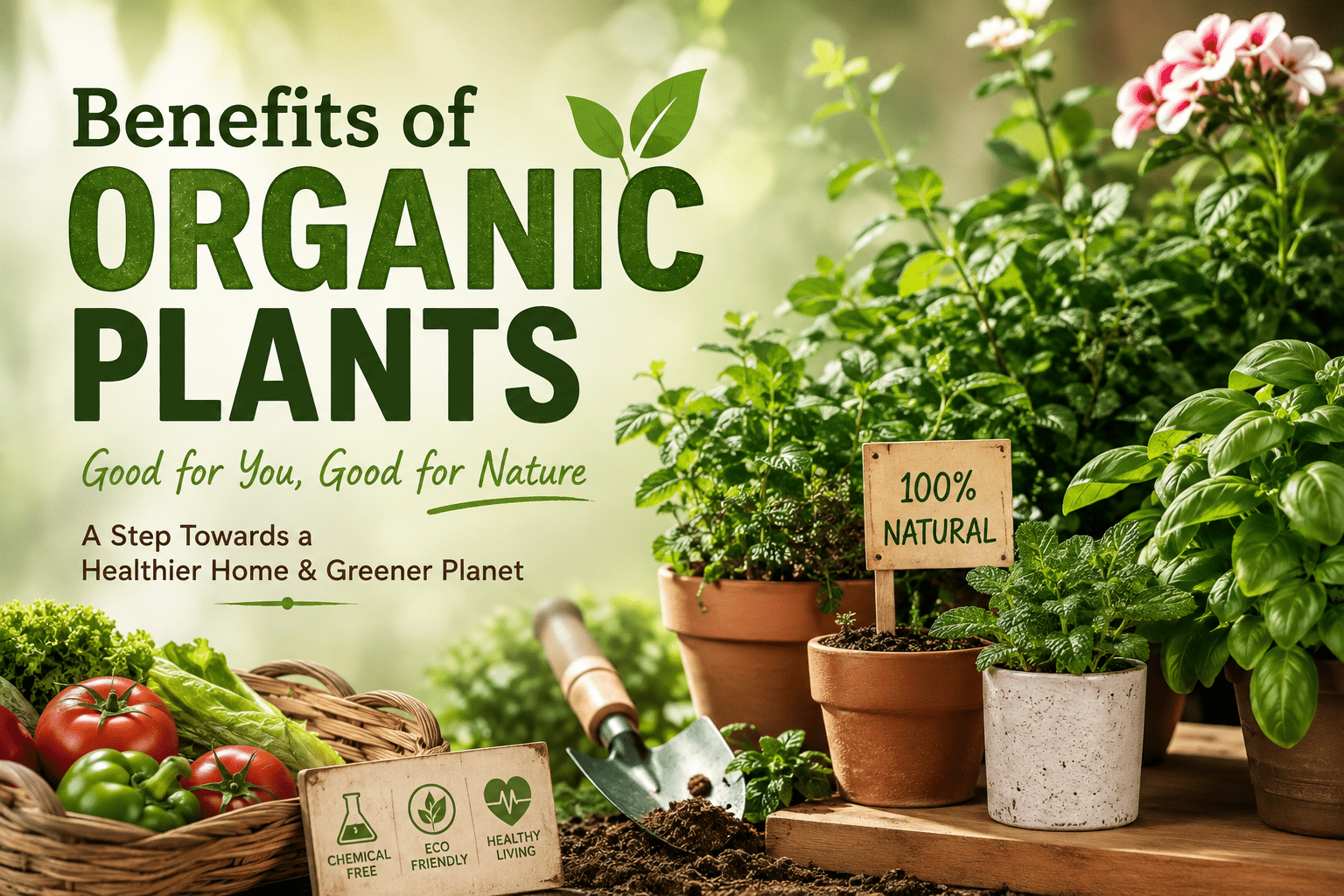
Benefits of Organic Plants go beyond adding beauty and greenery to your home. Organic gardening can help improve soil quality, support a healthier garden environment, and provide a natural way to grow herbs, vegetables, and flowers. Whether you have a small balcony or a home kitchen garden, choosing organic gardening methods can be a simple step toward a greener and more sustainable lifestyle. Organic plants are becoming increasingly popular among people who want to create greener, healthier, and more sustainable spaces at home. Whether you have a balcony, terrace, backyard, or small indoor garden, growing plants using natural gardening methods can be a rewarding experience.
In this article, we will explore the benefits of organic plants, how gardening works, and some simple tips for growing naturally at home.
What Are Organic Plants?
Organic plants are grown using natural and environmentally friendly gardening practices. Instead of relying heavily on synthetic fertilizers and chemical pesticides, organic gardening focuses on natural fertilizers such as compost, vermicompost, leaf compost, and well-decomposed organic manure.
Organic gardening also encourages healthy soil, responsible water use, biodiversity, and sustainable gardening practices.
Top Benefits of Organic Plants
1. Improve the Beauty of Your Home
Plants can make your home more attractive and refreshing. Organic flowers, herbs, vegetables, and decorative plants can add natural beauty to balconies, gardens, terraces, and indoor spaces.
Even a few plants can transform a simple space into a beautiful green corner.
2. Support a Greener Environment
Growing plants helps increase greenery around your home. Plants are an important part of natural ecosystems and can provide habitat and food sources for various insects and other organisms.
Creating an organic garden is also a simple way to develop more environmentally friendly gardening habits.
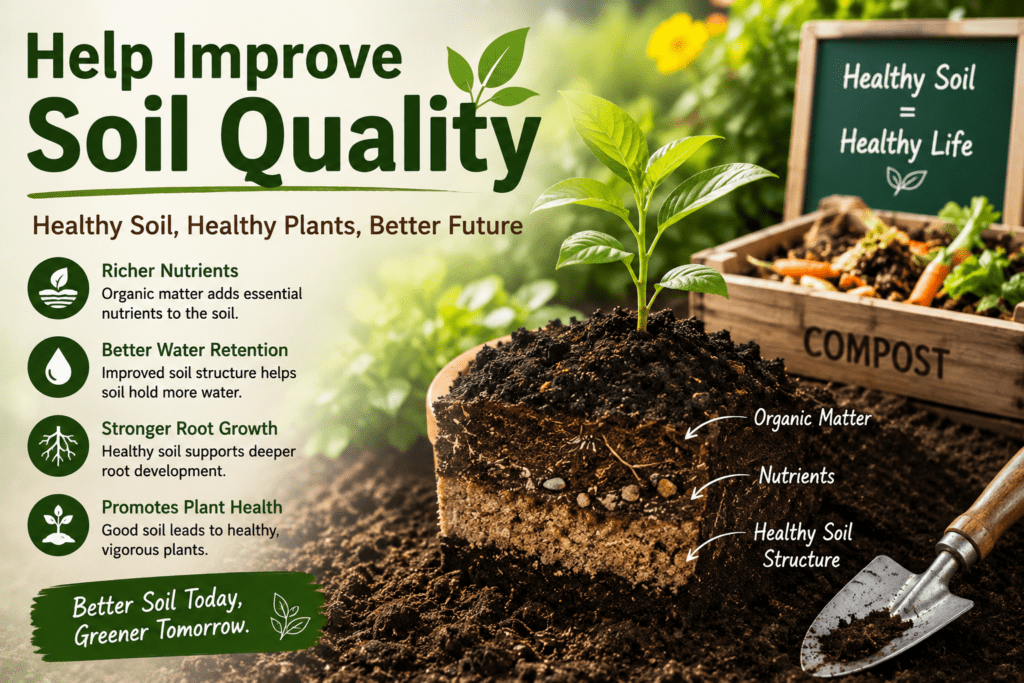
3. Help Improve Soil Quality
One of the major benefits of organic gardening is its focus on soil health. Natural materials such as compost and organic manure can add organic matter to the soil.
Healthy soil can support better plant growth and may improve water retention and soil structure.
4. Reduce Dependence on Synthetic Chemicals
Organic gardening aims to reduce the unnecessary use of synthetic fertilizers and pesticides. Gardeners can instead focus on practices such as composting, mulching, crop rotation, proper watering, and other natural approaches.
However, it is important to use any pest-control product carefully and according to its instructions, even when it is marketed as natural.
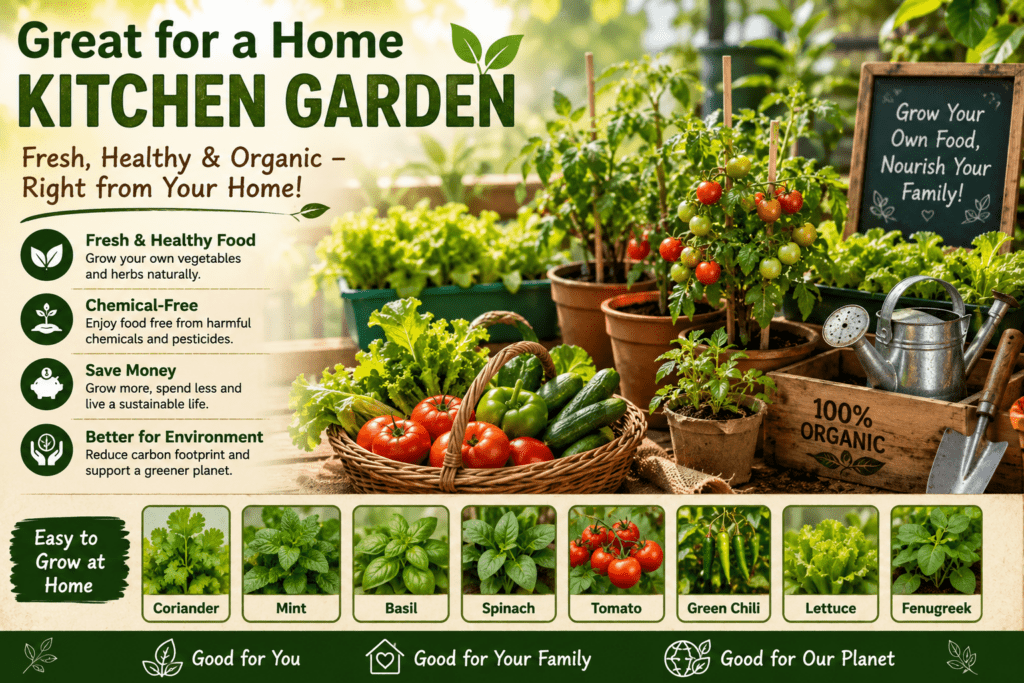
5. Great for a Home Kitchen Garden
You can grow many herbs and vegetables at home using organic gardening methods. Some easy options include:
- Mint
- Coriander
- Basil
- Spinach
- Tomatoes
- Green chilies
- Fenugreek
- Curry leaves
Growing your own herbs and vegetables can also make gardening more enjoyable and rewarding.
6. Encourage Biodiversity
An organic garden with different types of plants can provide a more diverse environment for beneficial insects such as bees and butterflies.
Planting flowering plants alongside herbs and vegetables can make your garden more attractive while supporting local biodiversity.
Checkout:- Top 10 Places to Visit in Goa
7. A Healthy and Enjoyable Hobby
Gardening can be a relaxing and rewarding hobby. Watering plants, preparing compost, planting seeds, and watching new leaves grow can help you spend more time connected with nature.
Organic gardening also provides an opportunity to learn about plants, soil, seasons, and sustainable living.
How to Grow Organic Plants at Home
You don’t need a large garden to start organic gardening. A few pots or containers are enough to begin.
Here are some simple tips:
- Use good-quality soil and compost.
- Choose plants suitable for your climate and available sunlight.
- Water according to the plant’s needs.
- Use compost or well-decomposed organic manure to improve soil fertility.
- Remove dead leaves and regularly check plants for pests.
- Use mulch to help conserve soil moisture.
- Avoid unnecessary use of chemical fertilizers and pesticides.
- Give plants adequate sunlight and airflow.
Best Natural Fertilizers for Organic Plants
Some commonly used organic soil amendments and fertilizers include:
- Compost
- Vermicompost
- Leaf compost
- Well-decomposed manure
- Plant-based compost
The right fertilizer and quantity depend on the type of plant, soil condition, and growing season. Over-fertilizing can also damage plants, so always use the appropriate amount.
Conclusion
Organic plants can be a wonderful addition to your home garden. They can improve the appearance of your space, support healthier gardening practices, encourage biodiversity, and make gardening a more sustainable hobby.
You don’t need a large backyard to get started. Begin with a few easy-to-grow herbs or vegetables in containers and gradually build your own organic garden.
Start small, grow naturally, and enjoy the beauty of plants every day!